A Resource for Healthcare and Social Services Professionals
Attend a free live training event! Browse trainings by topic, month, or event format (virtual or in-person), and then be sure to register online. Please note this list of upcoming trainings is updated regularly. If you do not see a specific training listed below, please check back or email us with any questions. If you want to be notified of newly booked trainings, subscribe to our mailing list.
DEA-eligible
Topic: Overdose
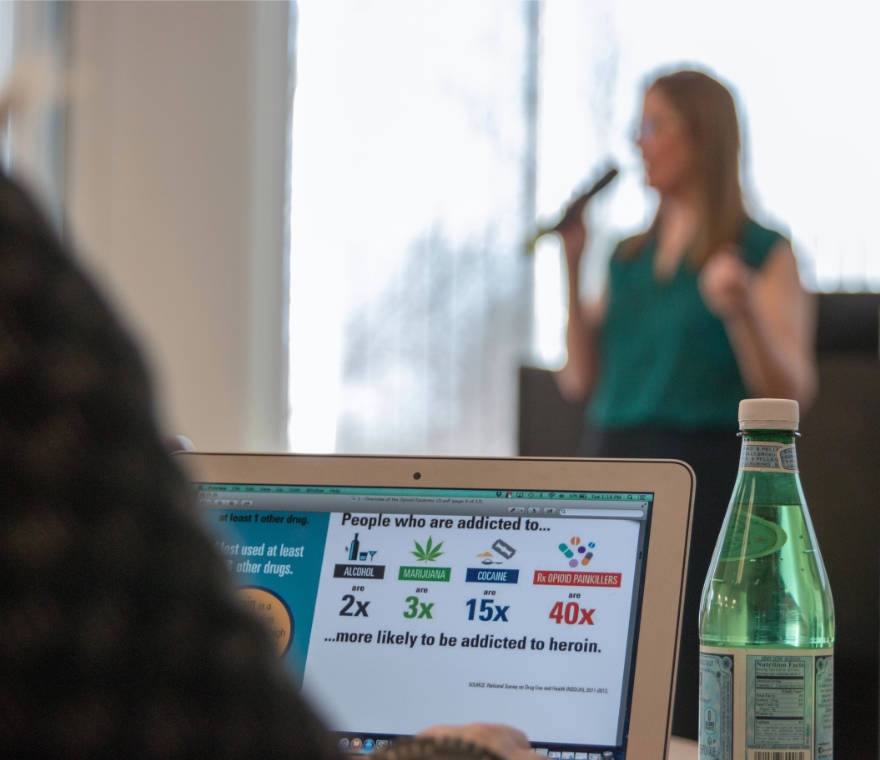
This training provides participants with foundational knowledge and practical skills to recognize, prevent, and respond to opioid overdoses using a compassionate, person-centered approach. Participants will explore the biological, social, and environmental factors that contribute to overdose risk, learn to identify the signs and symptoms of an opioid overdose, and review evidence-based response strategies. The training will also introduce emerging and innovative overdose prevention approaches that can be incorporated into clinical and community settings to reduce overdose-related harm and improve engagement in care.
 |
Wednesday, 11/18/2026 3:00 pm – 4:00 pm ET |
 |
Virtual event |
 |
Intended AudienceProviders, nurses, social workers, psychologists, peer supports, other clinical staff, and non-clinicians. |


Grayken Center for Addiction TTA is a program of Boston Medical Center (BMC), a 514-bed academic medical center located in Boston's historic South End and the largest safety-net hospital in New England.
The content on this site and the content presented by Grayken Center for Addiction TTA is intended solely to inform and educate healthcare and social service professionals, and shall not be used for medical advice and is not a substitute for the advice or treatment of a qualified medical professional. The hospital, the program, and the contributors are not acting as health care providers or professional consultants on behalf of any specific patient and disclaim establishing a provider-patient relationship with any specific patient.
© 2026 Boston Medical Center. All rights reserved. Site by Root802.